Sketching Essentials – Lines, Shapes & Light
Learn the foundations of drawing—clean lines, confident shapes, perspective, and light & shadow—through bite-size, hands-on lessons. Draw directly on our digital canvas and get instant AI feedback at every step. By the end, you’ll sketch everyday objects and complete a polished still life with believable form and depth.
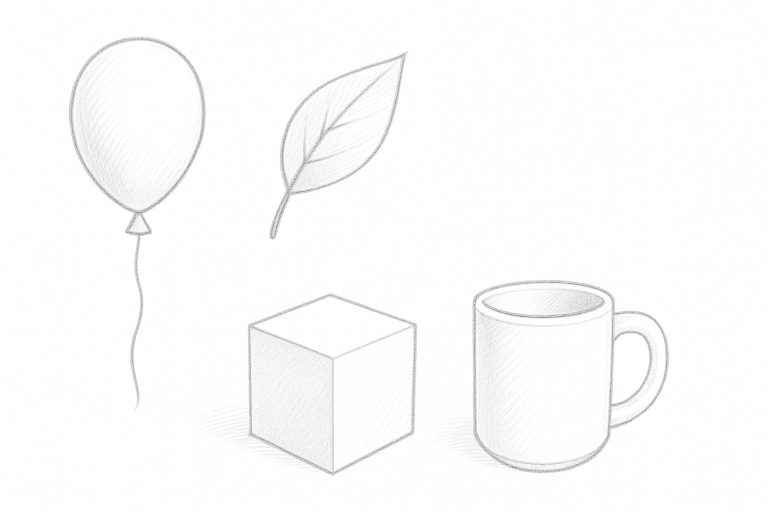
Not ready to buy? Practise the same fundamentals for free with the measured drawing exercises — no account, unlimited attempts — or read how the measurement works.
The Artist's Toolkit: 4 Essential Skills
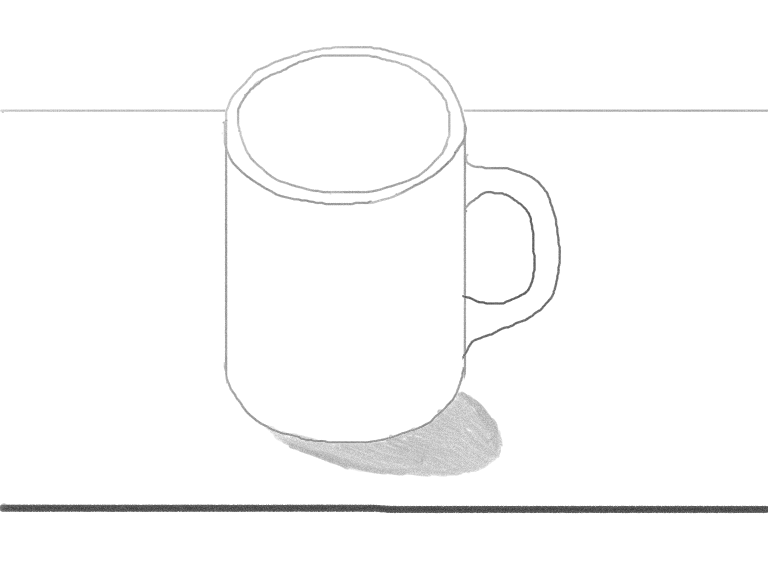
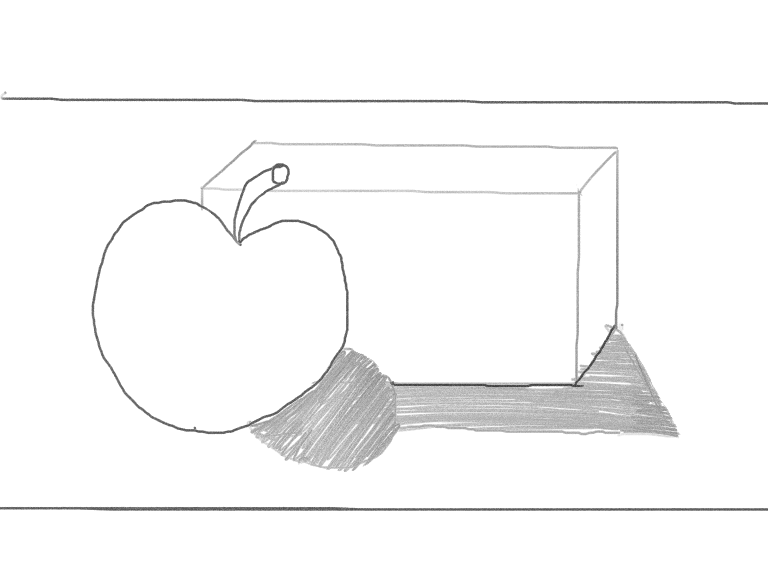
5 lessonsStart drawing on day one. Five short lessons introduce the core moves every artist uses — ellipses, overlap, simple shading, and construction from basic shapes. By the end of this chapter you'll have sketched a magical mushroom, a sunlit pyramid, a bitten cookie, a coffee mug, and your first composed scene — and you'll understand why each of those objects matters more than it looks like it does.
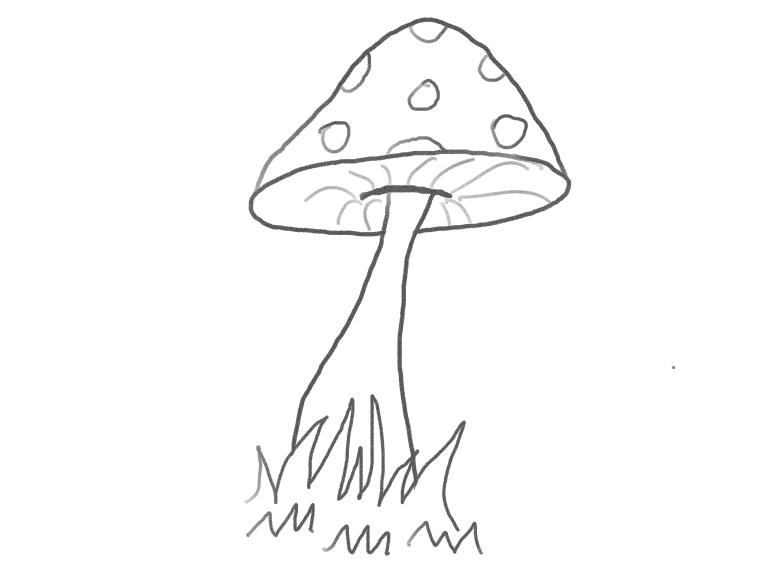
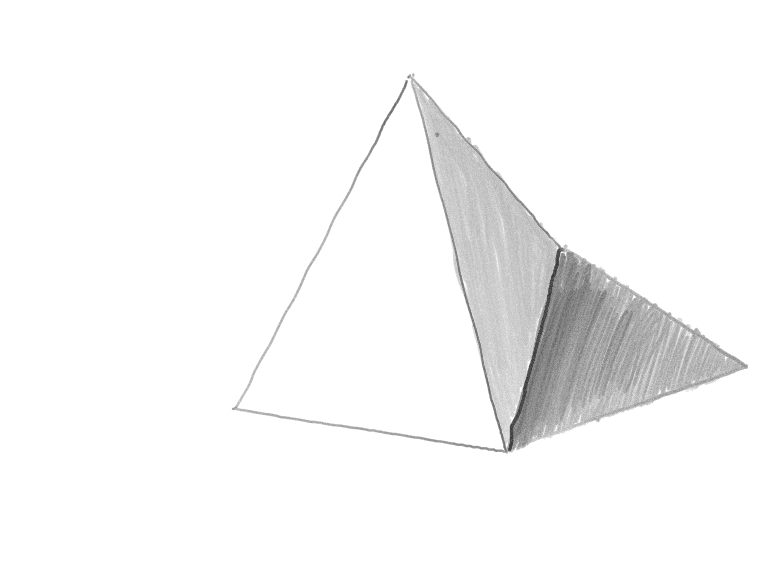
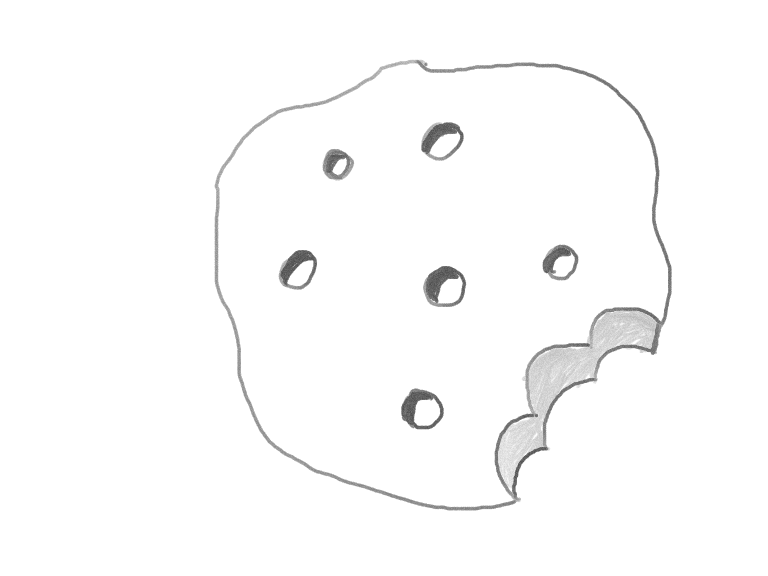
Building Blocks of Art: From Shape to Form
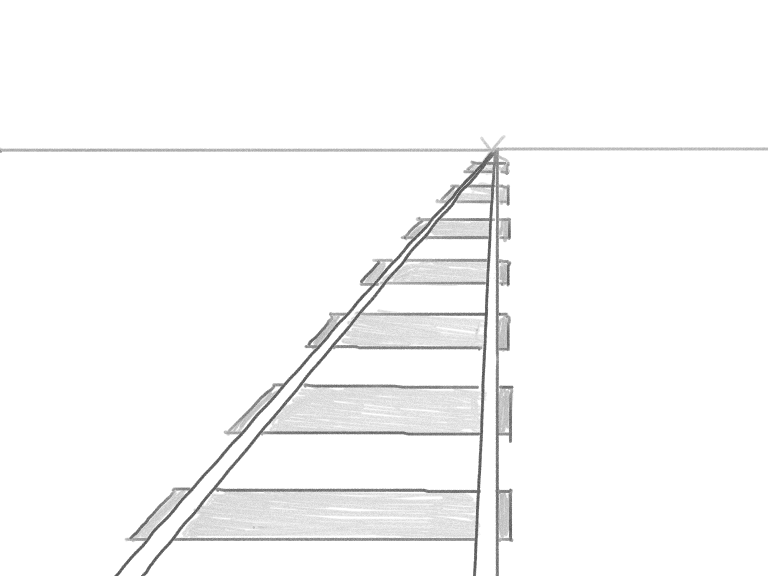
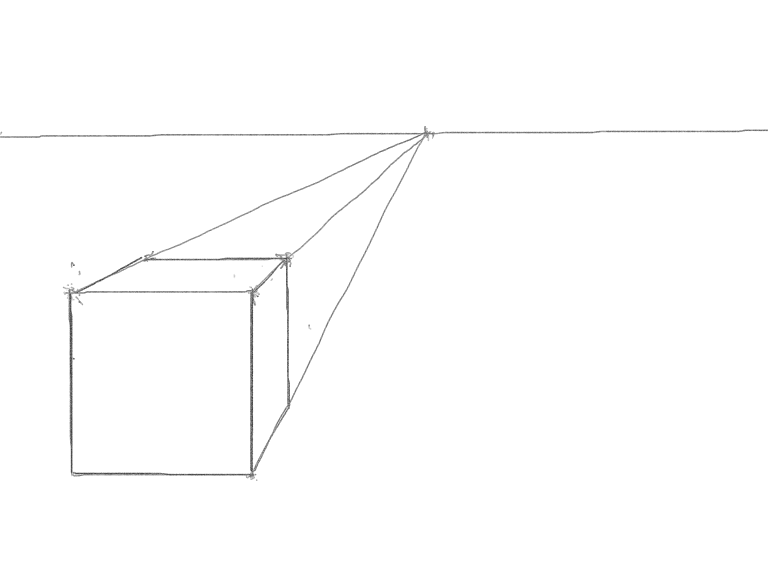
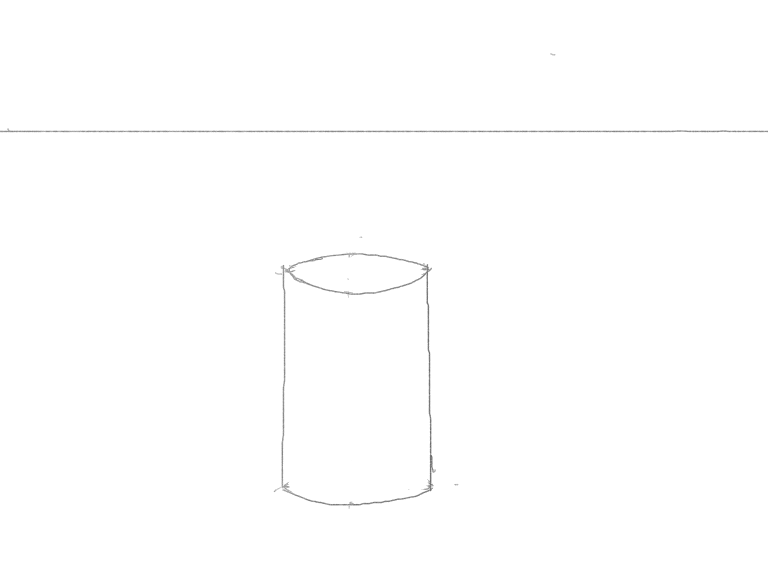
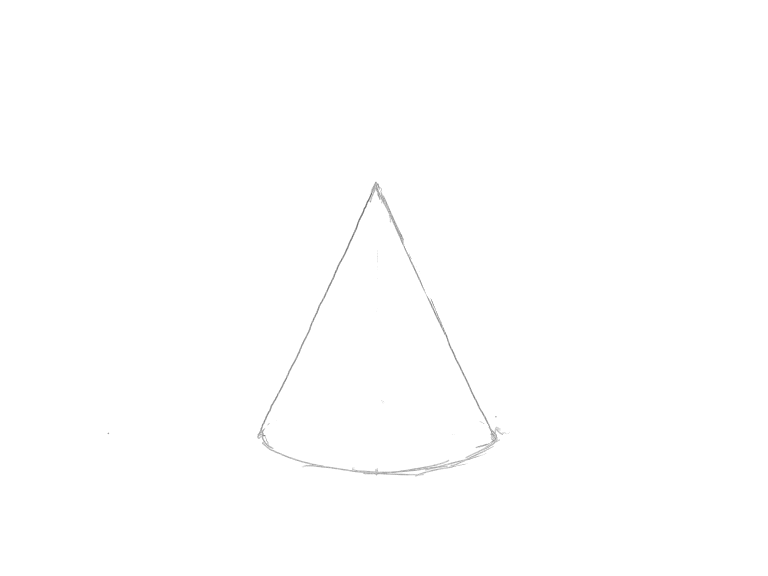
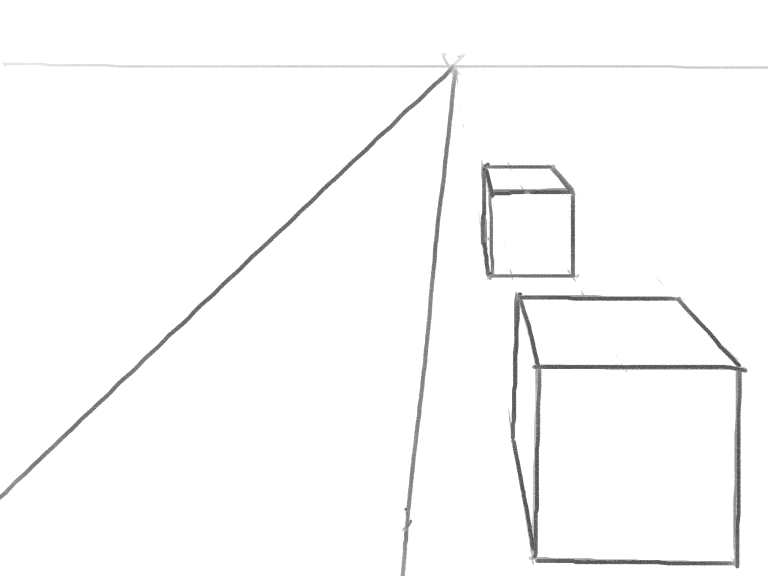
5 lessonsEvery object you'll ever draw is built from a handful of primitives: cubes, cylinders, and cones. This chapter teaches one-point perspective from scratch, then walks you through constructing each primitive in 3D space before combining them into a simple street scene. By the end, you'll start seeing the hidden geometry in everything around you — the mug on your desk, the building across the street, the lamp beside you.
The Magic of Light & Shadow
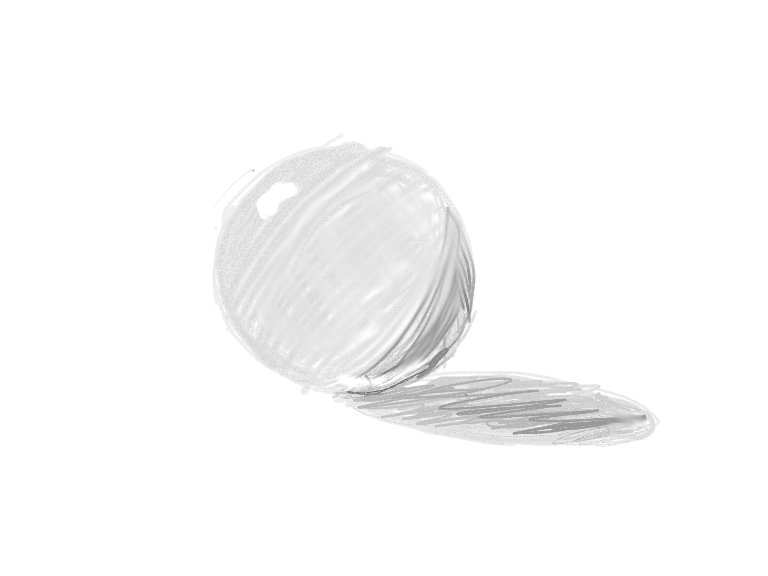
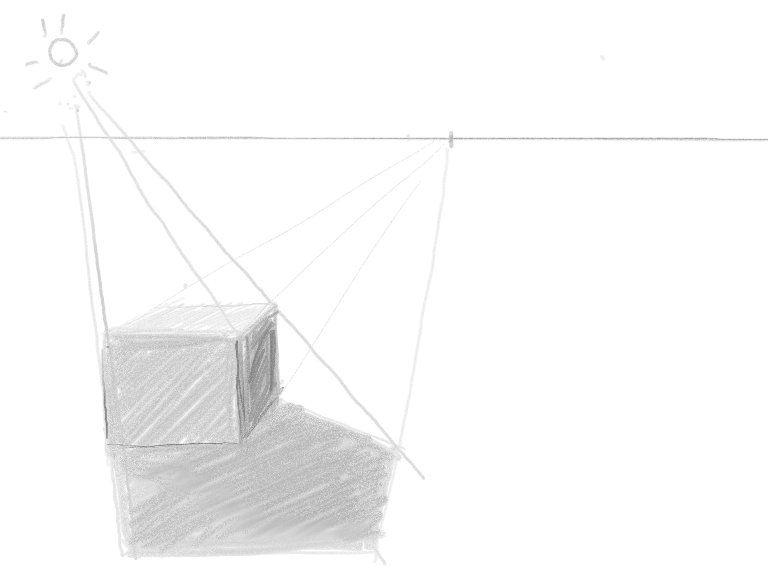
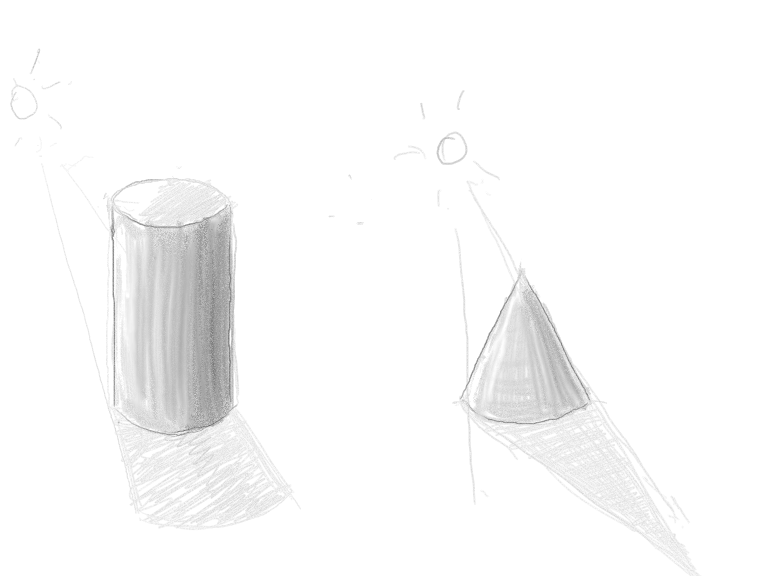
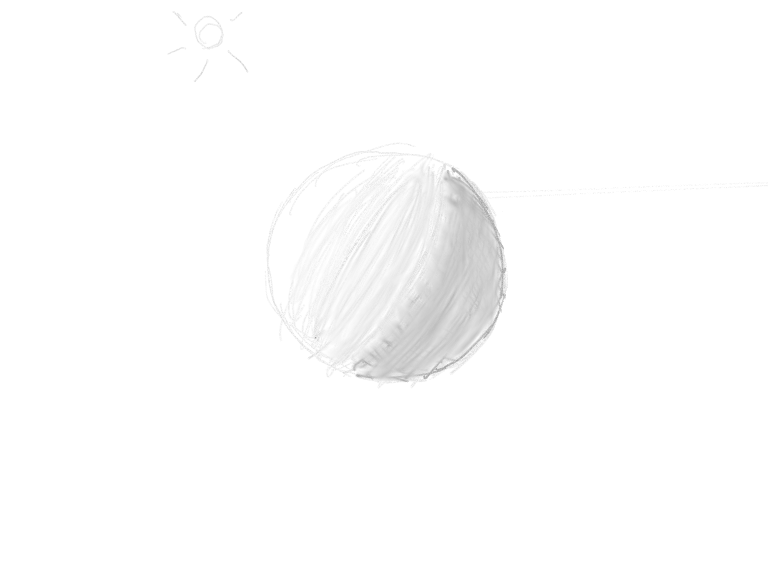
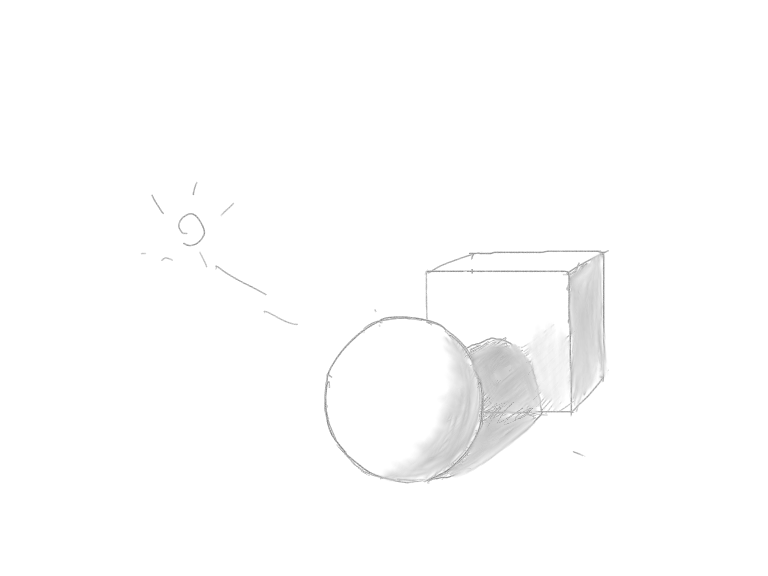
5 lessonsA line drawing shows what's there; shading shows that it's real. In this chapter you'll learn how light actually falls on form — the difference between form shadows and cast shadows, how to shade flat and curved surfaces, and when to use hard vs soft edges. By the end, the cubes and cylinders from Chapter 2 will start feeling solid enough to pick up off the page.
Sketching Everyday Objects
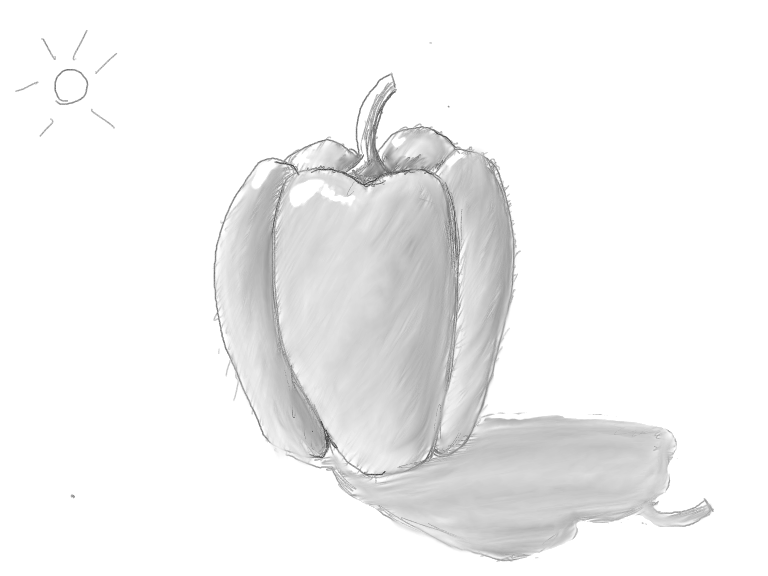
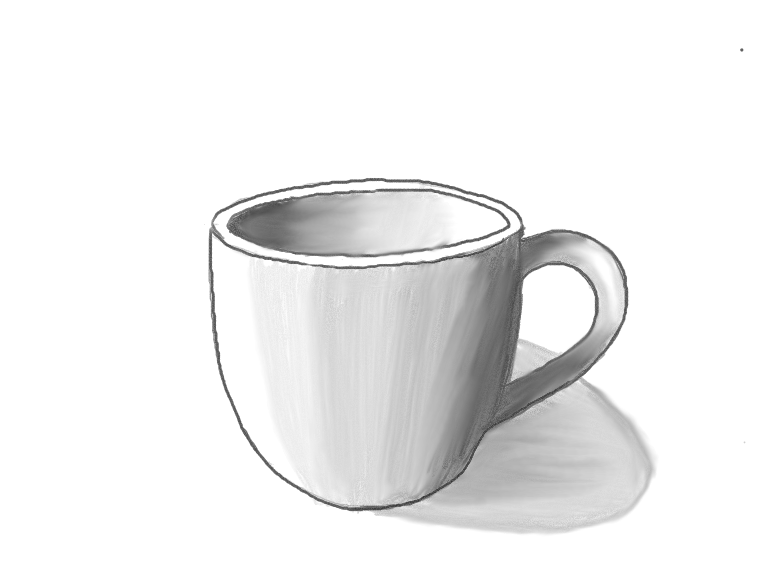
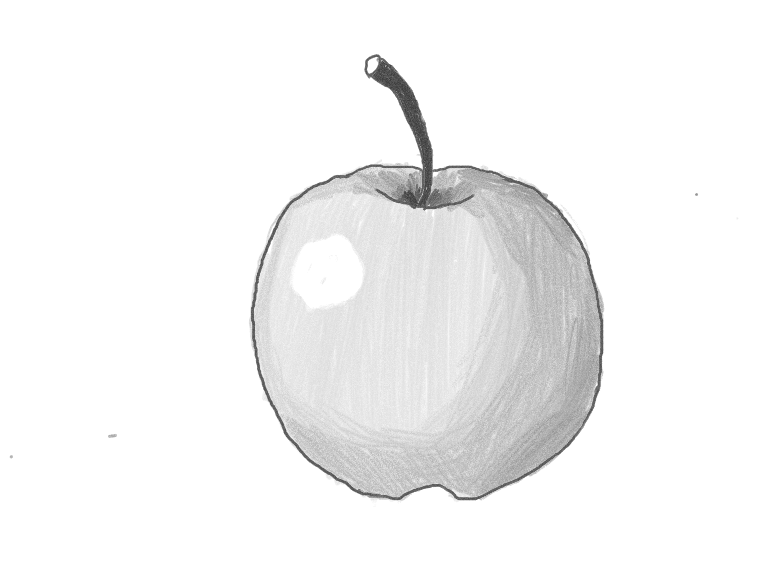
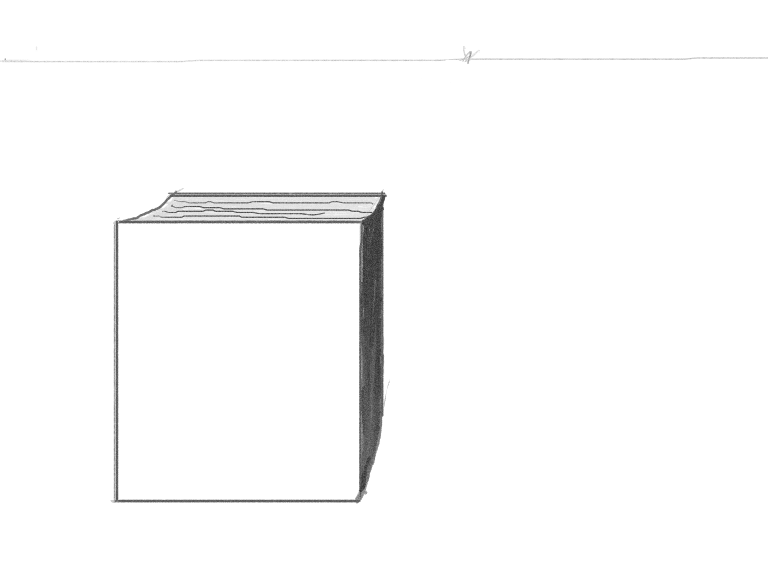
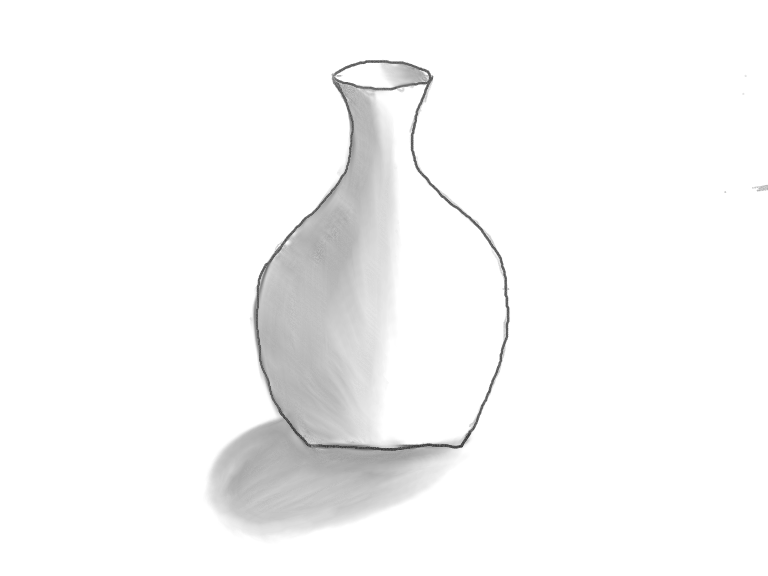
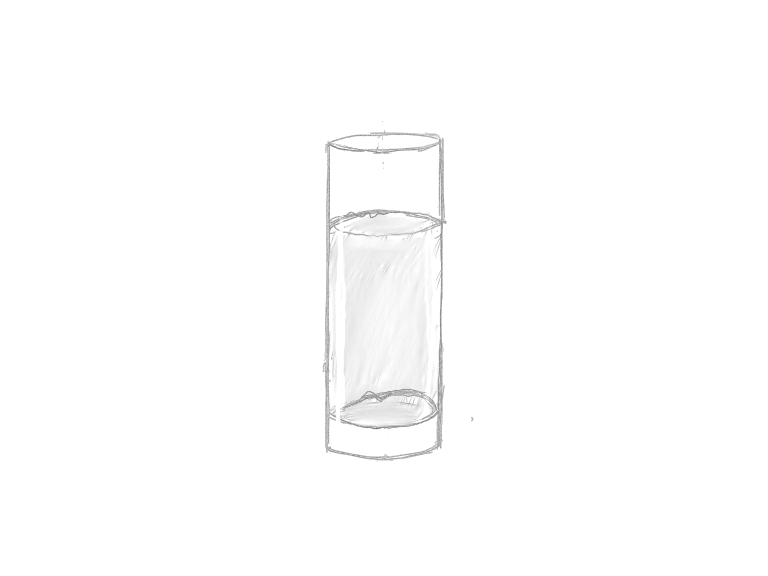
5 lessonsTime to bring it all together on things you actually see every day. Coffee mug, apple, book, vase, glass of water — each one applies a combination of skills from earlier chapters, but on something you recognize instantly. By the end you'll have a small portfolio of recognizable object sketches and the confidence that you can tackle the things on your kitchen table.
Composing a Simple Scene
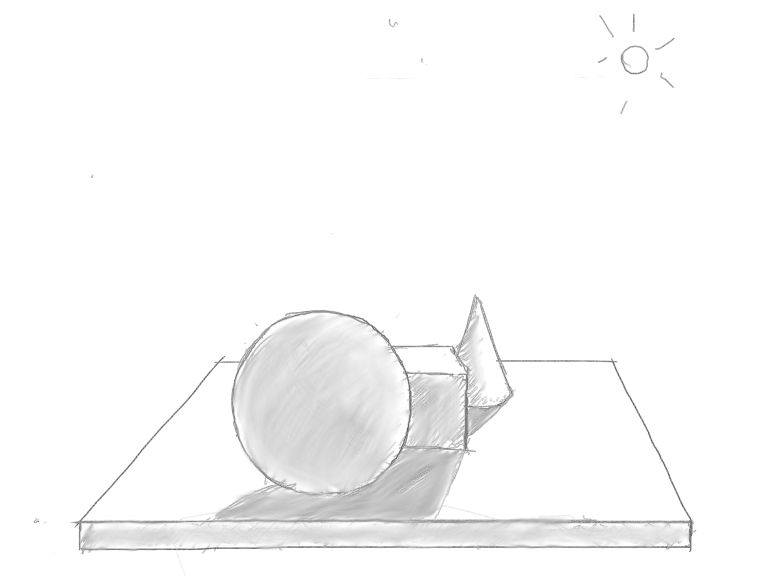
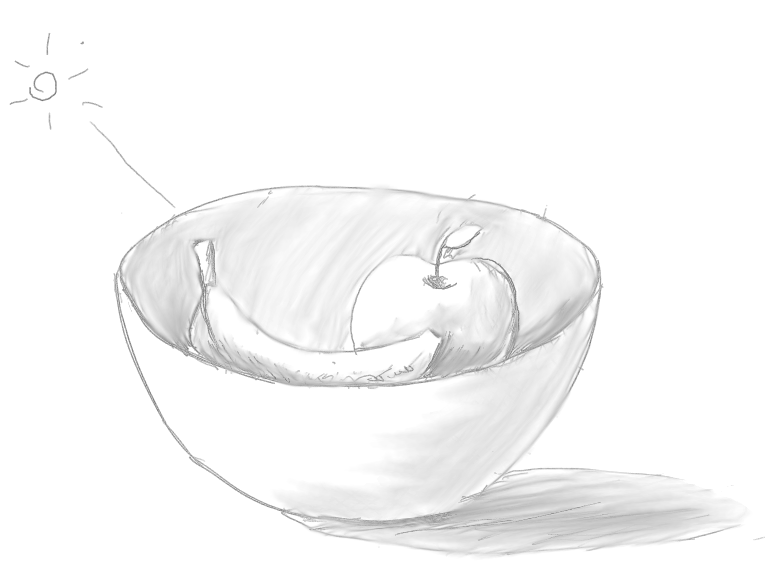
5 lessonsA single object is a sketch. A composed scene is a drawing. This final chapter teaches how to arrange multiple objects using overlap, depth, and thoughtful placement — building toward a complete still life you'll be proud to show people. By the end of the course you'll have a finished, polished artwork, not just a pile of exercises.
Before You Start
Here's what you actually need - and don't need - to get going.
What you need
- ✓A computer, tablet, or iPad with any modern browser (Chrome, Safari, Firefox, Edge). That's it — no software to install, nothing to download.
- ✓A stylus if you have one. An iPad with Apple Pencil, a Wacom tablet, or any pen-input device will give you the best learning experience because you're training real hand-eye coordination.
- ✓If you don't have a stylus, a mouse works too. You won't build motor skills as quickly, but every concept you'll learn (proportion, form, light, composition) transfers directly to pen and paper whenever you pick one up.
What you don't need
- ✗Any previous drawing experience. This course assumes you're starting from zero.
- ✗Expensive equipment. No premium tablets, no pro software, no art supplies.
- ✗An "eye for art" or natural talent. Everything here is a learnable skill.
- ✗Hours of free time. Lessons are designed for short sessions — you can progress 10-20 minutes at a time.
Time commitment
Lessons grow with your skill. The first lesson takes about 5 minutes — just enough to get comfortable with the canvas and see how Luna's feedback works. Middle chapters sit around 15-30 minutes per lesson as concepts get more involved. Final-chapter lessons, where you're shading complete objects and composing full scenes, can take 30-45 minutes or more depending on how many times you iterate. Most students complete the full 25-lesson course over 4-8 weeks, working at their own pace. Your progress saves automatically, so you can pause between lessons or mid-lesson and resume exactly where you left off on any device.
Who this course is for
Complete beginners who've always wanted to draw but didn't know where to start. People who've watched drawing tutorials and felt lost without feedback. Anyone curious whether they can actually learn this skill — the answer is yes, and this course is built to prove it step by step.