Sketching Essentials – Lines, Shapes & Light
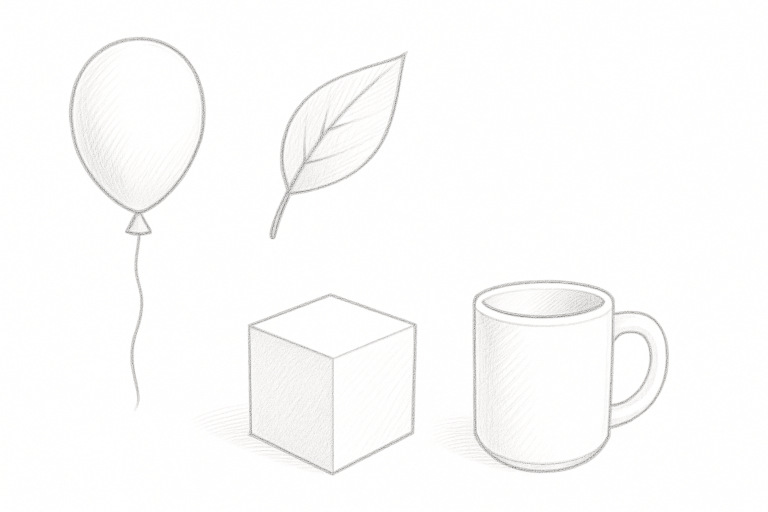
You learn the basic skills of drawing, like lines, shapes, perspective and light and shadow. You learn this by drawing from the first lesson, across 25 lessons on our digital canvas with AI feedback on submitted drawings. You work towards drawing objects you see every day and a still life with a sense of volume.
Listed price: USD 39.00
Current price, taxes and eligible discounts are confirmed at checkout.
Not ready to buy? Practise the same fundamentals for free with the measured drawing exercises — no account, unlimited attempts — or read how the measurement works.
The Artist's Toolkit: 4 Essential Skills
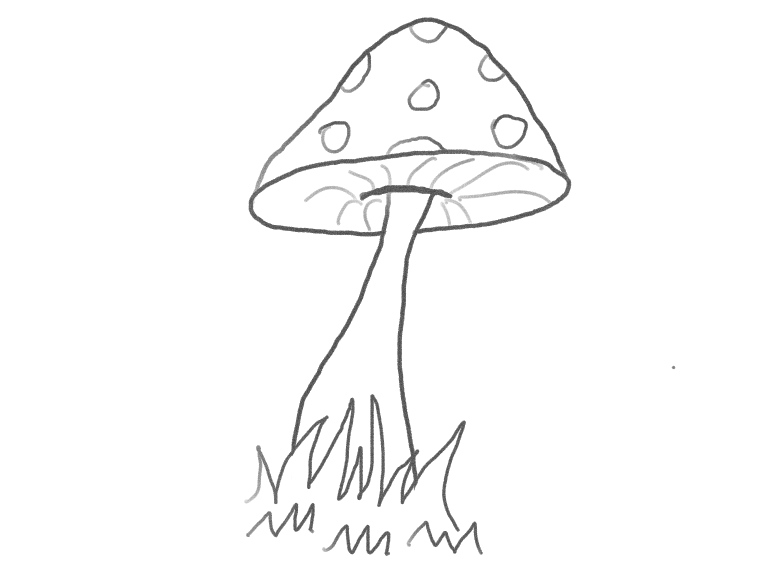
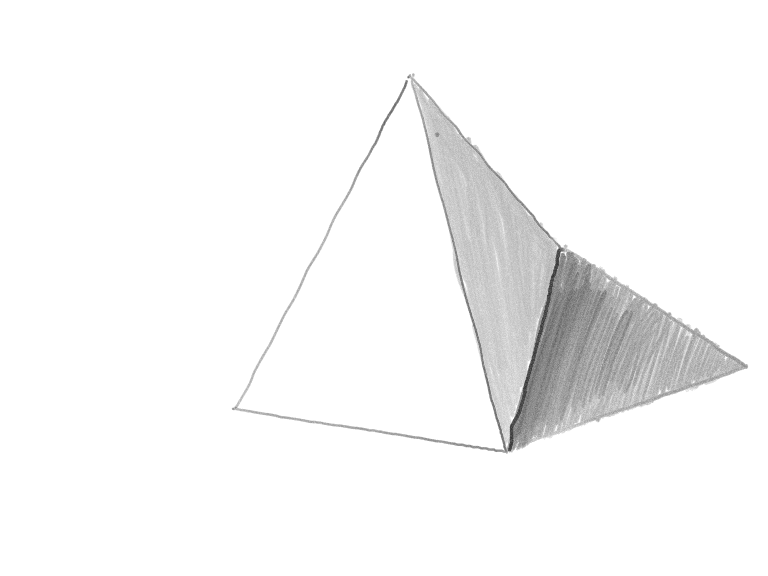
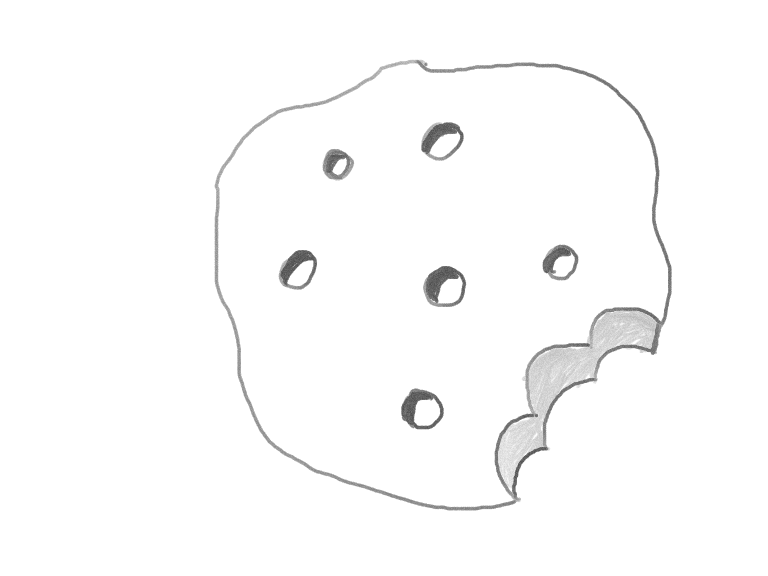
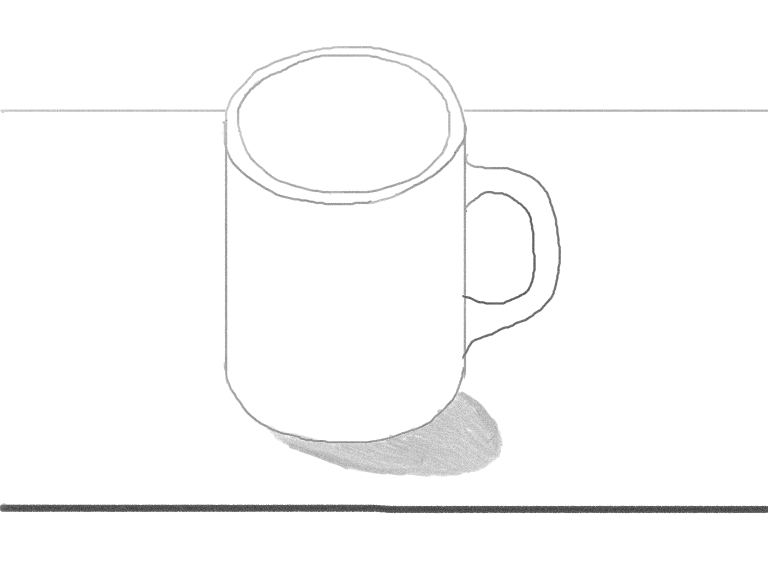
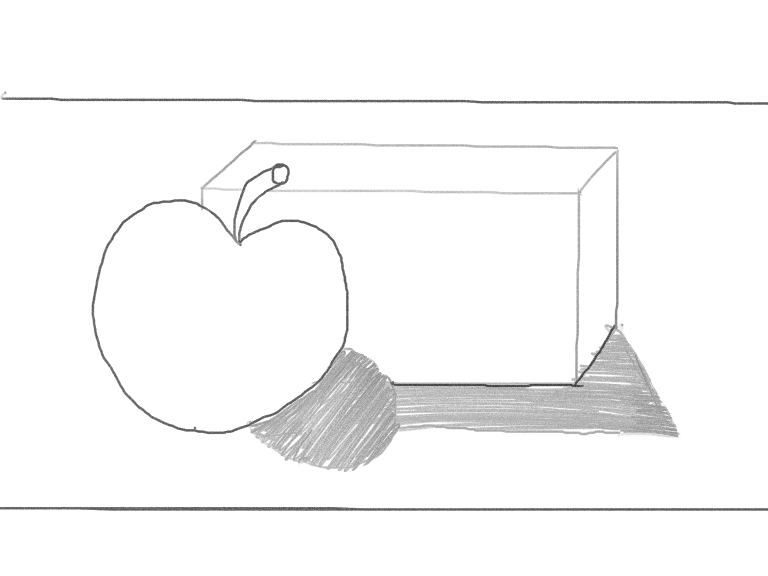
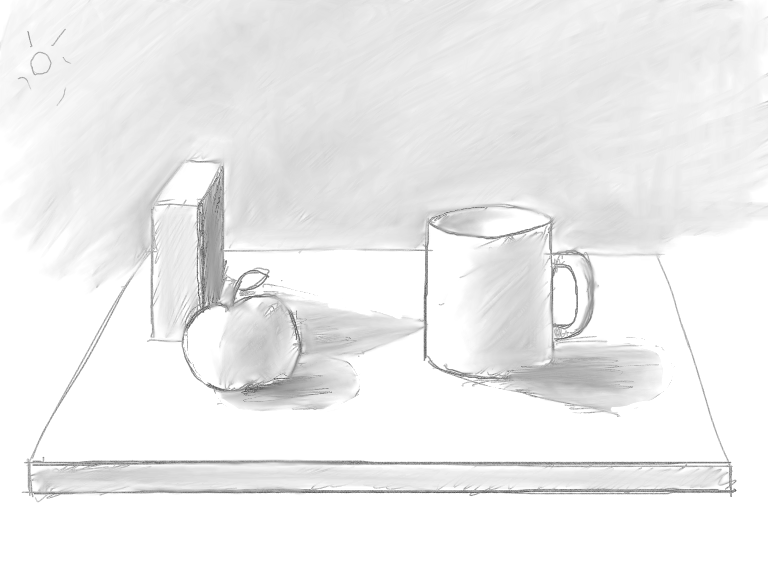
5 lessonsThe first chapter of lessons will have you drawing on day one! You will learn basic drawing moves, such as drawing ellipses, learning how to overlap objects, basic shading, and building simple forms from basic shapes. You will end up drawing a magical mushroom, a sunlit pyramid, a cookie with a bite taken out, a coffee mug and a scene with an apple and a block. Each lesson uses a simple object to practise one of these drawing ideas.
Building Blocks of Art: From Shape to Form
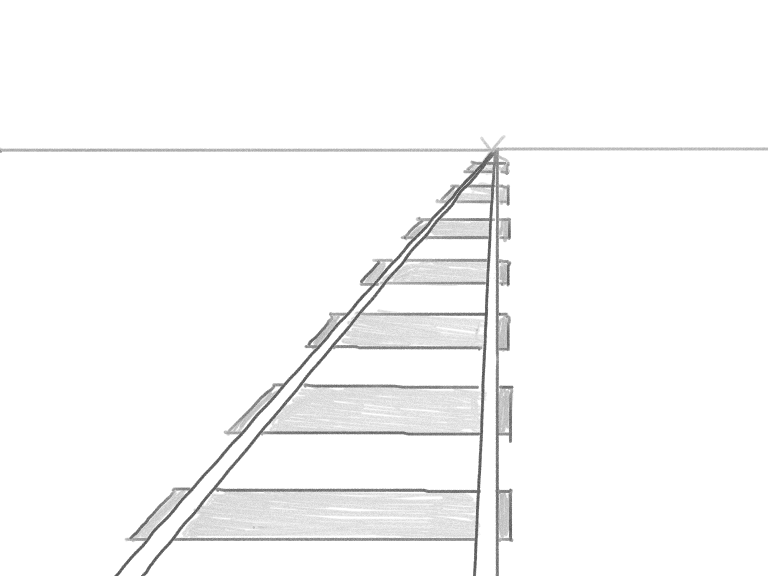
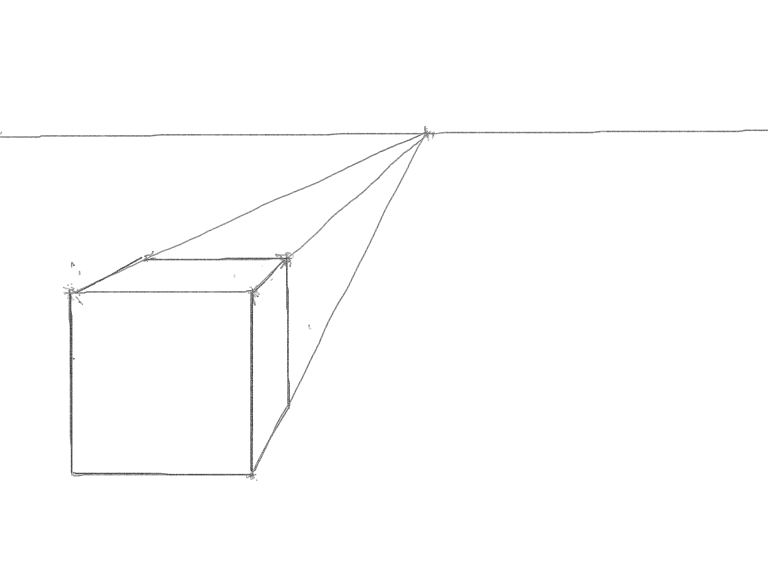
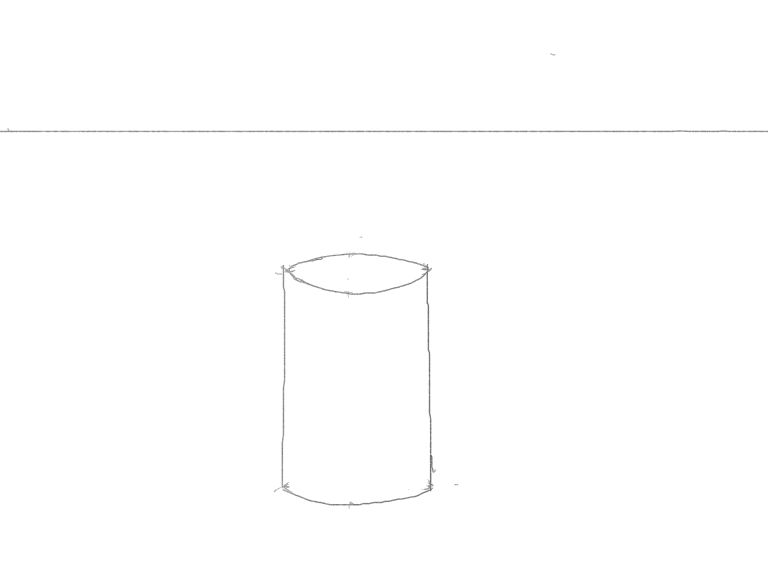
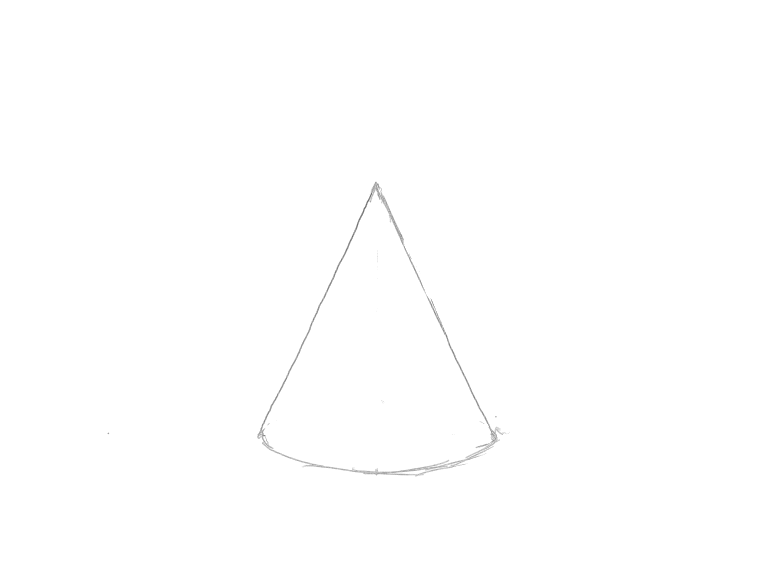
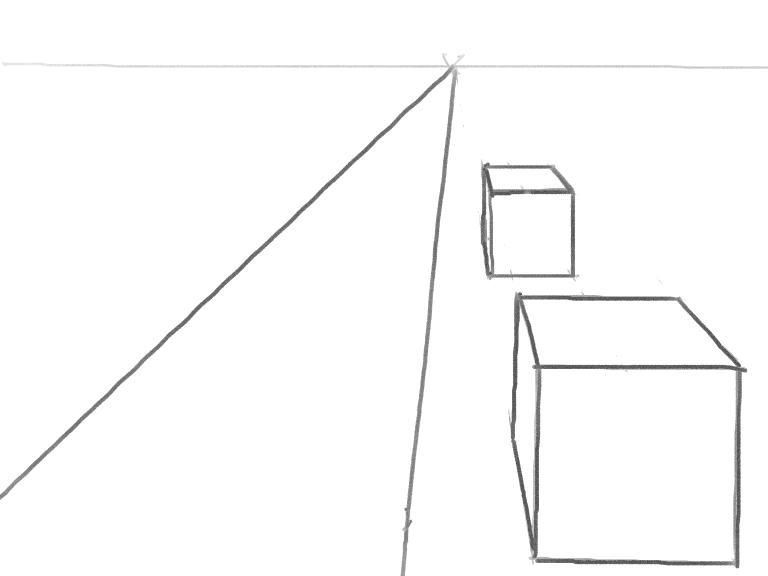
5 lessonsYou can simplify many complex forms into a small number of basic forms: cubes, cylinders and cones. You will learn one-point perspective from scratch and then how to make each of these primitive forms stand up in 3D space before joining them up to make a simple street scene. After this you will begin to see the hidden geometry in all objects, such as the mug on your table, the building down the street or the lamp next to you.
The Magic of Light & Shadow
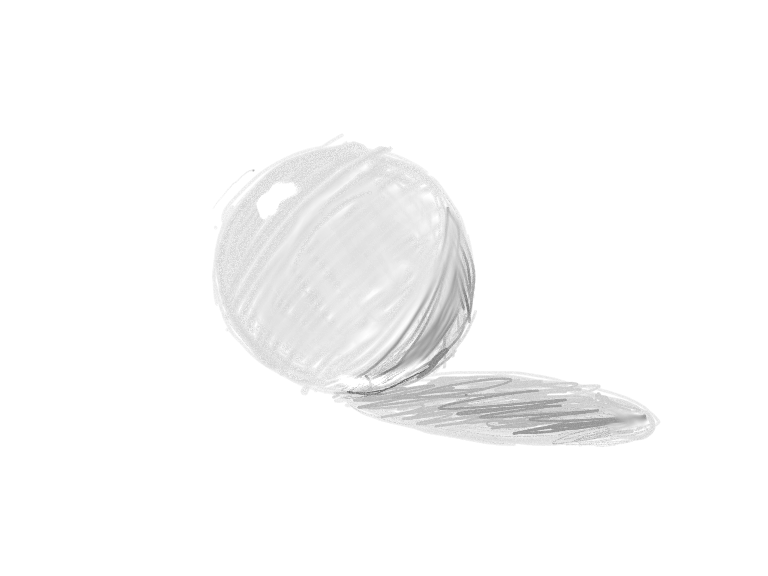
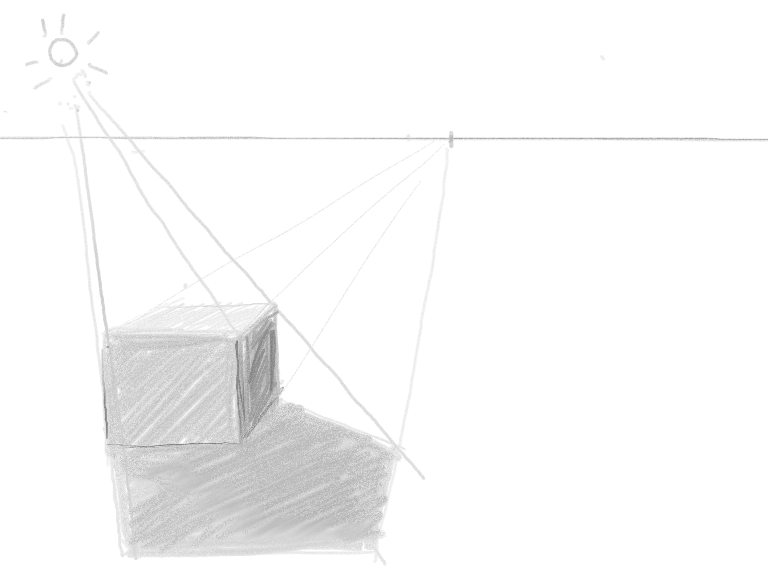
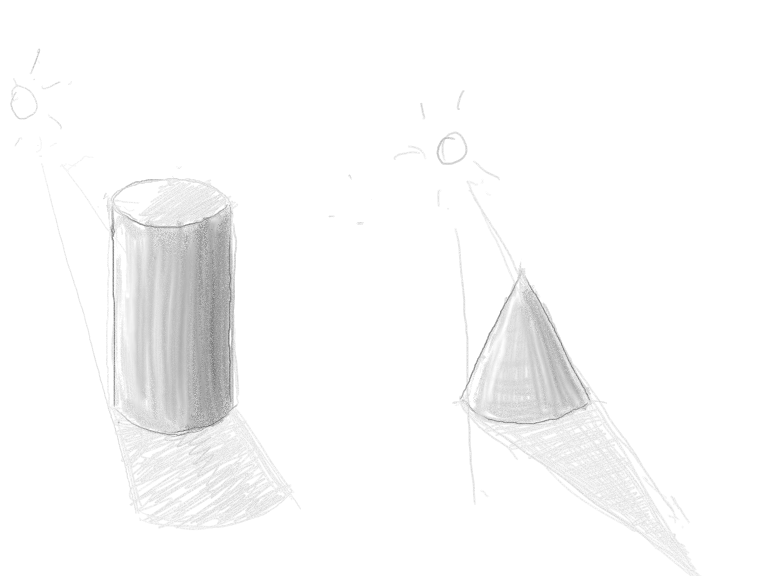
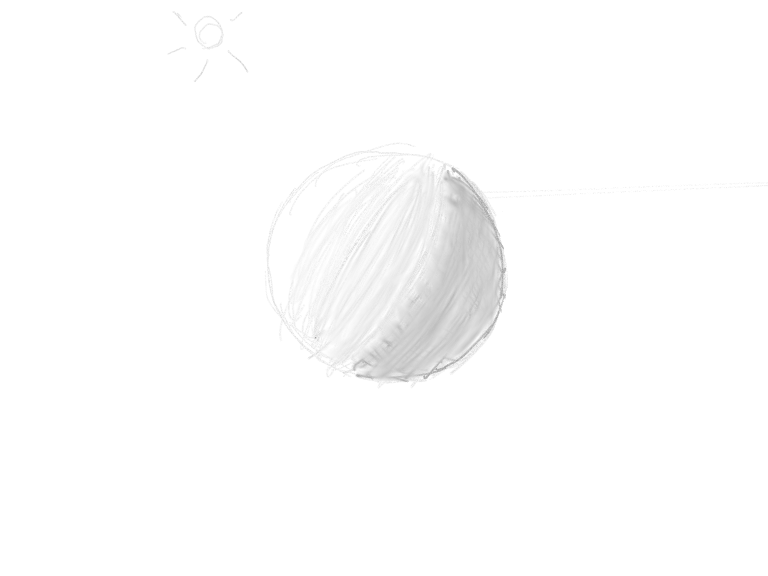
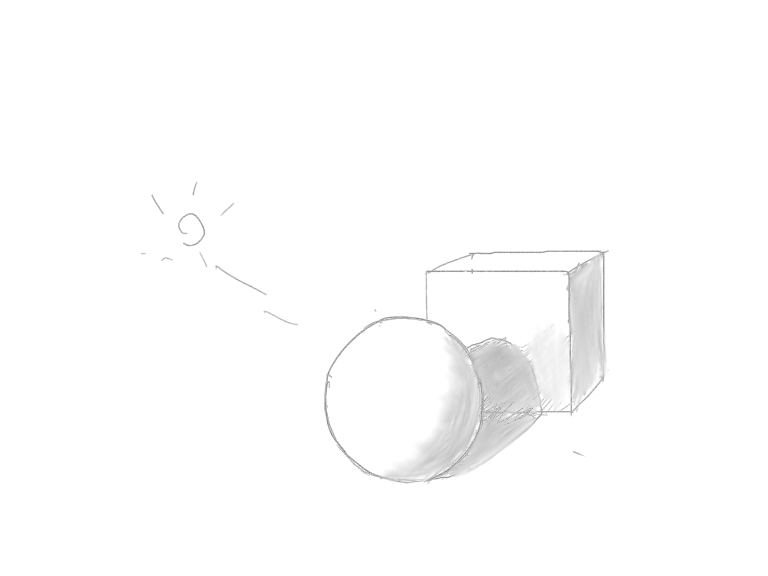
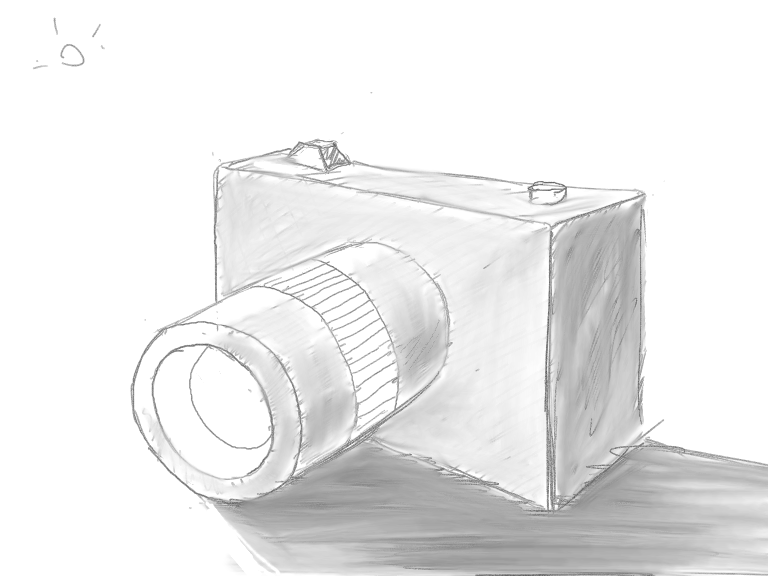
5 lessonsThis chapter will teach you how to use light on form to draw a realistic representation of objects. We will explore the differences between form shadows and cast shadows and how to draw flat and curved surfaces using hard and soft edges. By the end of this chapter, the simple shapes of cubes and cylinders that you drew in Chapter 2 will feel solid enough to pick up off the page.
Sketching Everyday Objects
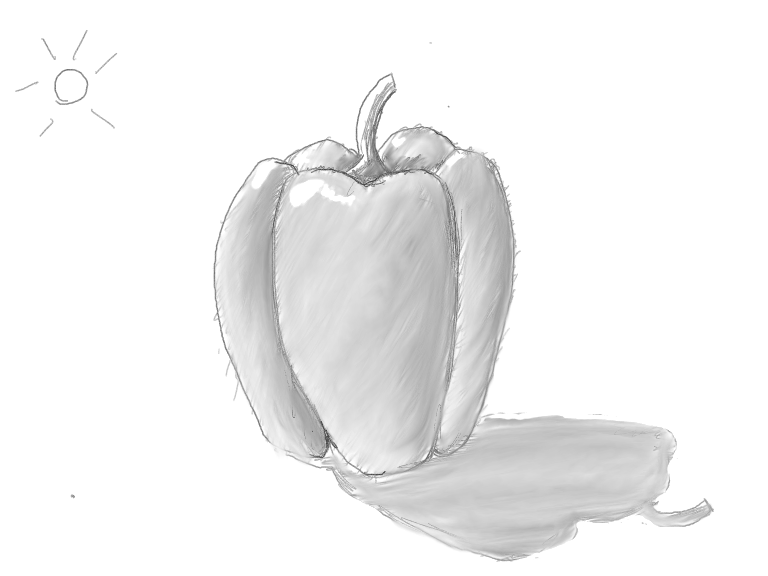
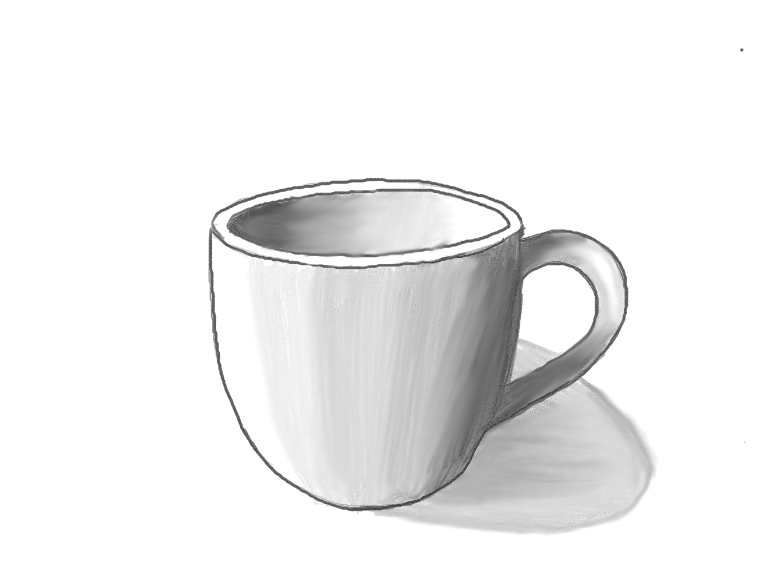
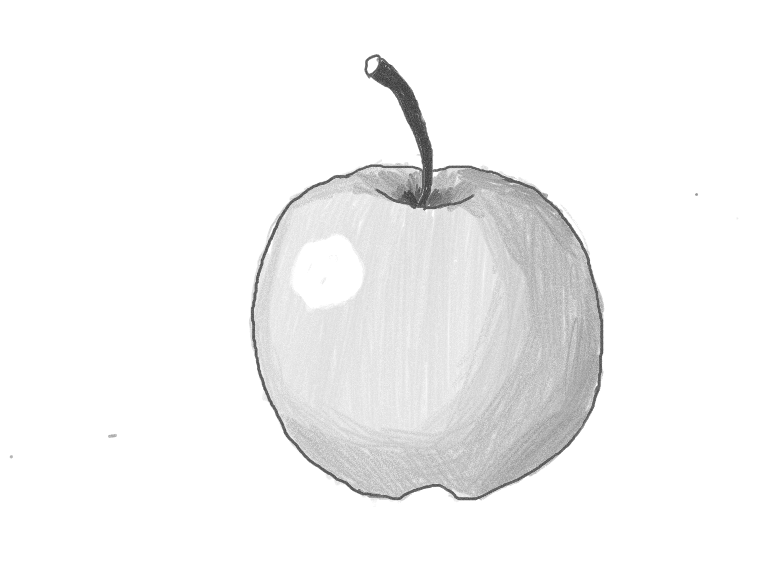
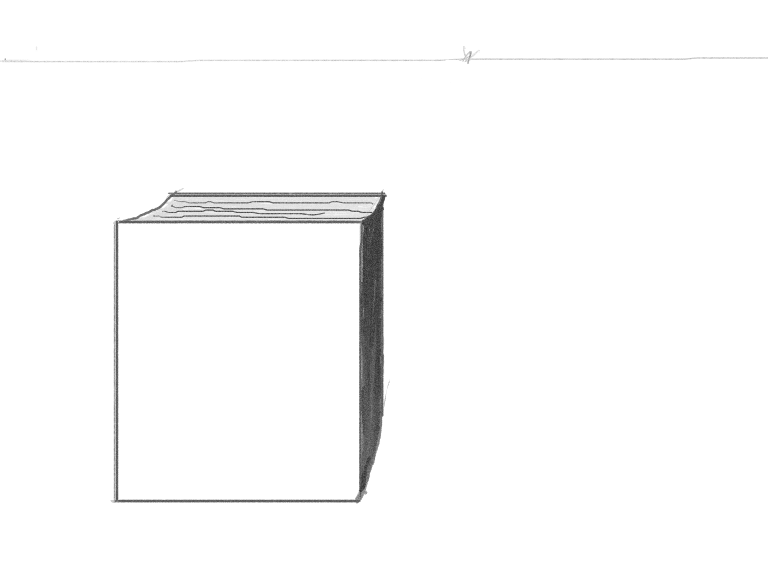
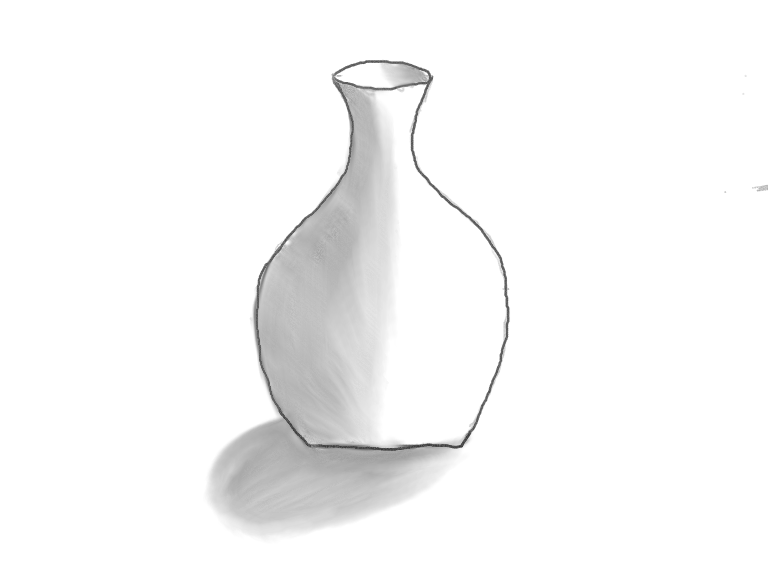
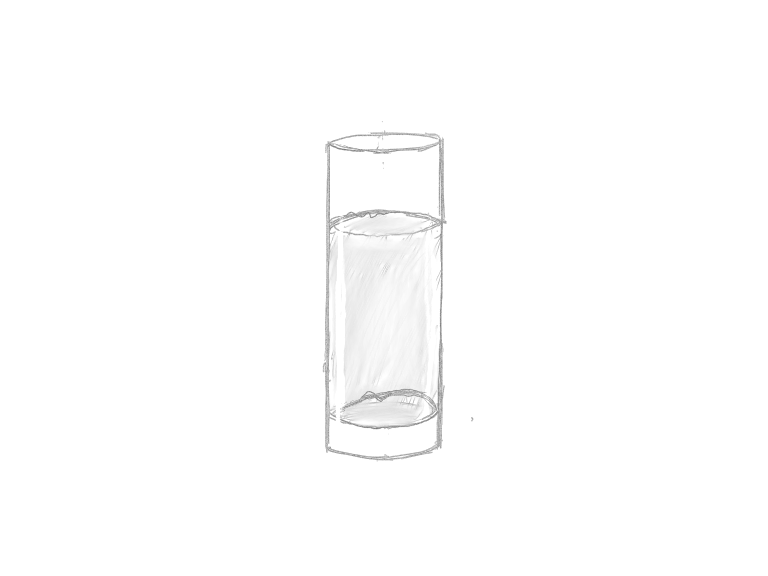
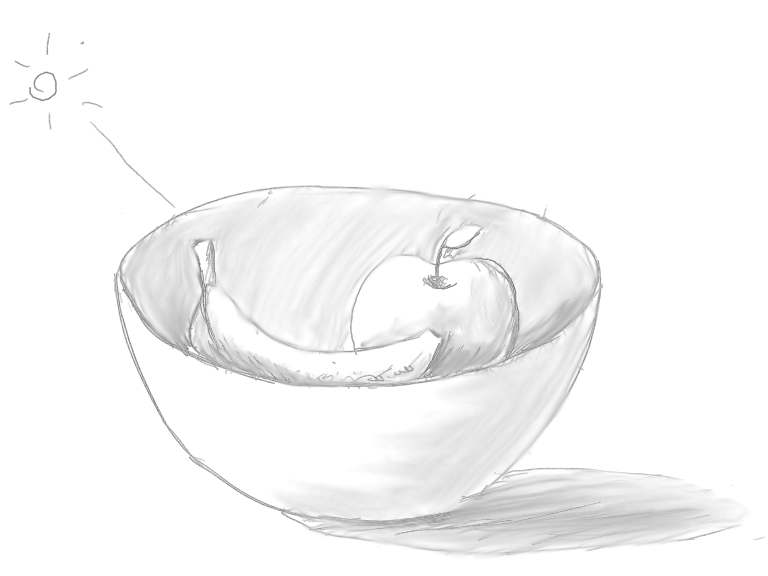
5 lessonsThis chapter puts the skills that you learn in all the previous chapters to practical use by drawing objects that you can find in your everyday surroundings. By learning to draw a coffee mug, an apple, a book, a vase and a glass of water, you get practice you can build on with other objects from your kitchen table.
Composing a Simple Scene
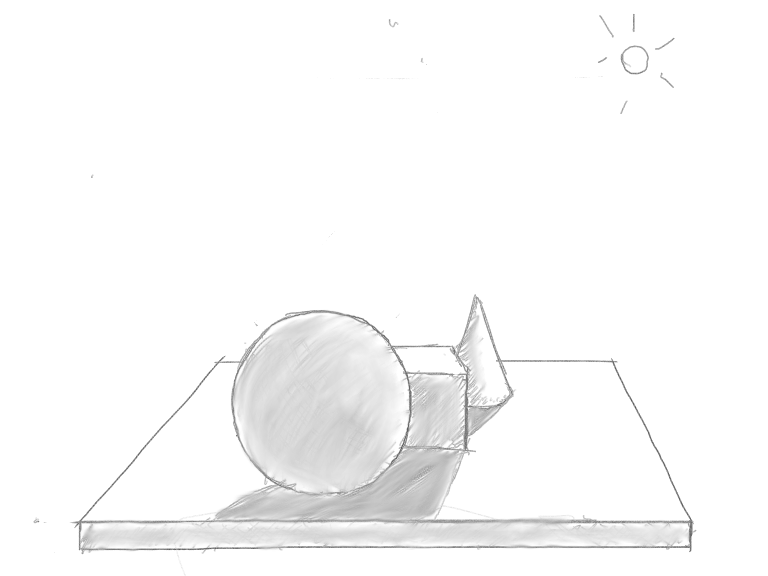
5 lessonsYou have practised individual objects. Now try arranging several in one drawing. This final chapter teaches you how to set up multiple objects, using them in a scene. Learn how to use overlap, depth and strategic placement to set up a complete and realistic still life that you can be proud to show off to others.
Before You Start
However, what you actually need (and don’t need) to get started with drawing is outlined below.
What you need
- ✓A computer, tablet or iPad with any modern browser (Chrome, Safari, Firefox, Edge). None of the normal drawing programs to install, none of the usual art software to download.
- ✓A stylus (an iPad with Apple Pencil, a Wacom tablet, etc. with a pen-input surface) — This lets you draw with a pen-like grip and may feel more familiar if you also draw on paper.
- ✓Mousing is also fine. You can practise the same ideas about proportion, form and lighting with a pen and paper, though handling the tools will feel different.
What you don't need
- ✗Any prior experience with drawing. This class is taught with complete novices in mind.
- ✗No expensive equipment. We are talking normal computers and tablets here with no premium software or special art supplies.
- ✗An “eye for art” or natural talent is not a requirement for drawing with Luna. The skills taught here can be practised.
- ✗No hours of free time. You can learn in 10-20 minute chunks and spread a longer lesson across sessions.
Time commitment
Each lesson builds upon your growing skill. Allow roughly 5-15 minutes for the first lesson and introduces you to the basic use of the canvas and how Luna’s feedback works for you. Allow around 15-30 minutes per lesson in the middle chapters as you delve deeper into the various artistic concepts. The final-chapter lessons will take anywhere from 30-45 minutes or more to complete, as you work to complete the whole object and set up a scene to draw in the lessons. You could spread the 25 lessons over 4-8 weeks, or take longer if you want more practice. Submitted work and completed steps save to your account. Submit your current drawing before changing devices so you can return to the saved work.
Who this course is for
Complete beginners. People who have tried to learn drawing from tutorials but had no feedback. Everyone who ever wondered if they could learn to draw but just never gave it a shot – the course gives you a place to start and work on the skills step by step.